
伦敦市政厅博物馆馆长伊丽莎白.斯科特访谈
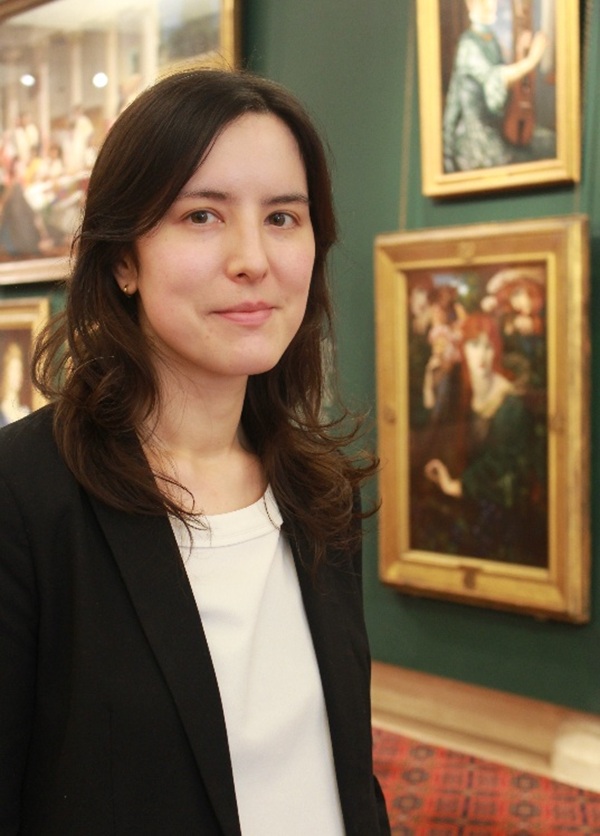
伊丽莎白.斯科特
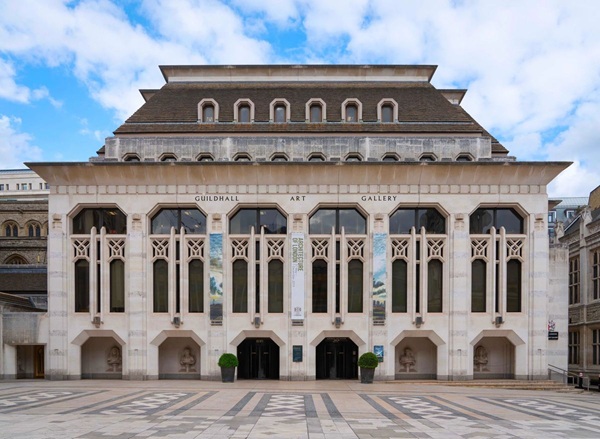
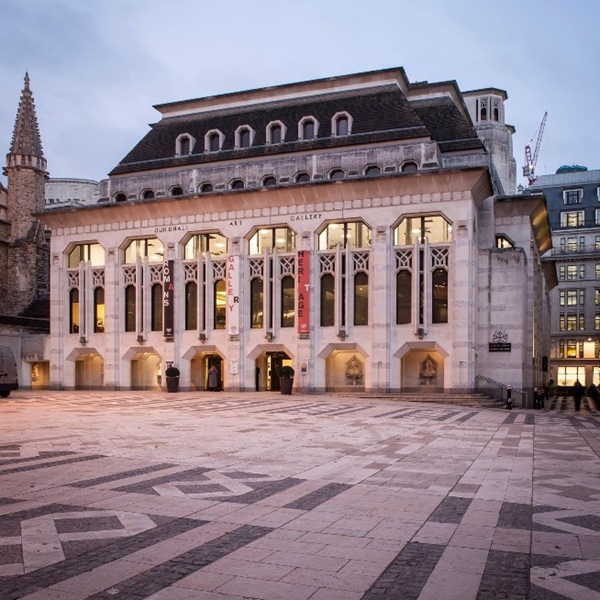
伦敦市政厅美术馆是伦敦金融城官方艺术收藏的所在地,它以卓越的维多利亚时代画作收藏、庞大的伦敦历史题材作品以及其地下完好保存的古罗马角斗场遗址而闻名。
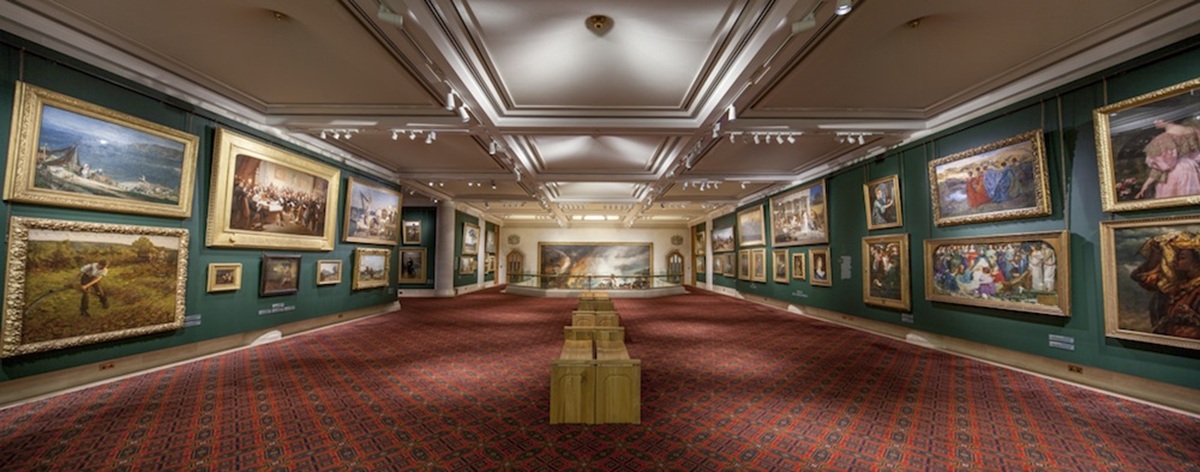
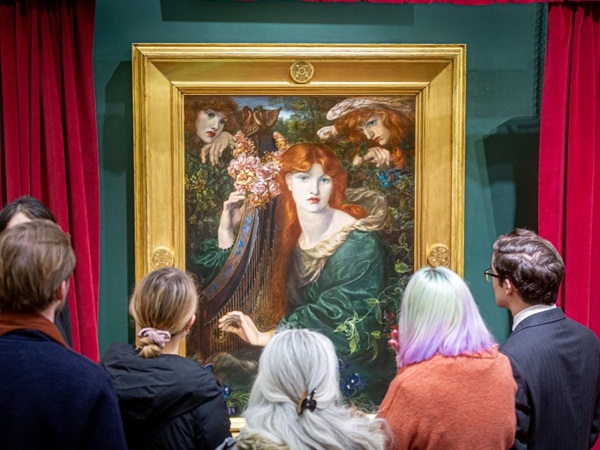
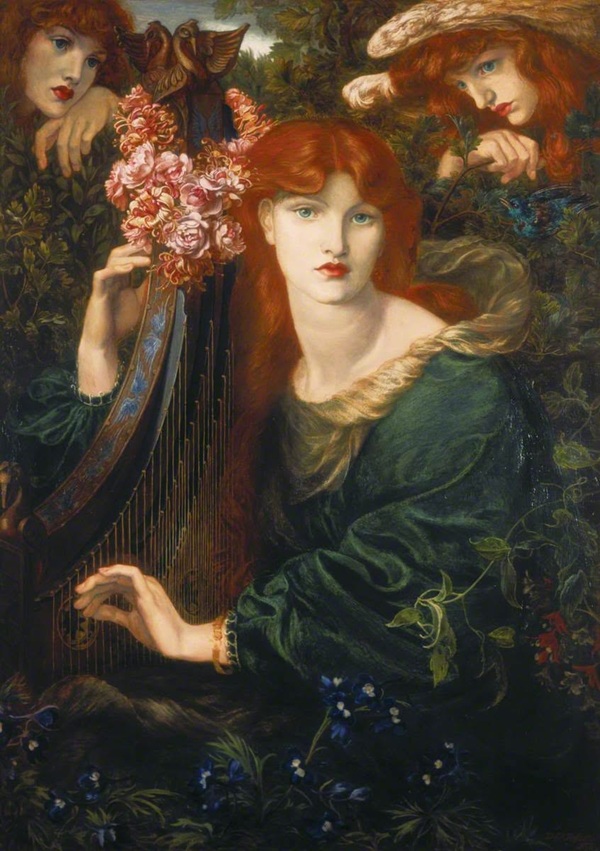
美术馆收藏了自1670年以来的4,000余件艺术品,其核心优势在于维多利亚时代艺术。这里汇聚了拉斐尔前派(如罗塞蒂、米莱斯)的巅峰之作——拉斐尔前派运动的标志性作品,包括但丁·加布里埃尔·罗塞蒂的《绿衣圣母》以及约翰·埃弗里特·米莱斯的作品。这些作品以其绚丽的色彩和对自然细节的执着追求,使其成为研究19世纪英国艺术的重要基地。
馆内的镇馆之宝是约翰·辛格尔顿·科普利创作的巨大油画——《直布罗陀浮动炮台的溃败》。这幅作品规模宏大,占据了展厅的主导地位,是英国历史上最重要的战争纪念画作之一。
现存建筑于1999年在二战废墟上重建而成。其最独特之处在于地下层完整保留了1988年意外发现的古罗马角斗场遗址。这种将顶级艺术画廊与两千年前古代遗迹“垂直叠加”并存的设计,在全球范围内极具稀缺性,让观众在欣赏艺术的同时能步入两千年前的历史空间。
作为伦敦著名的“隐秘瑰宝”,它不仅是全球研究维多利亚艺术演变的权威基地,更是伦敦城市身份的守护者。其作品深度关联城市治理、财富与社会变迁,是理解伦敦从古罗马演变为全球金融中心的关键窗口,在英国艺术界占据着不可替代的文化地位。
伊丽莎白·斯科特是伦敦市政厅美术馆馆长,同时担任首席策展人。她还负责监督美术馆地下伦敦唯一幸存的罗马角斗场的运营与展示。她通过创新的策划,将古老的考古遗迹与现代的艺术展览相结合,成功吸引了更多元化的观众群体,使该馆被誉为伦敦最不容错过的“隐秘瑰宝”。伊丽莎白·斯科特是当代英国博物馆界极具影响力的领导者,以推动机构变革和重塑历史叙事而著称。伊丽莎白因其在推动行业变革方面的杰出表现,荣获英国博物馆协会颁发的“激进变革者奖”。这一奖项肯定了她挑战传统博物馆运营模式、通过艺术手段触及社会敏感议题的勇气与能力。
伊丽莎白·斯科特是一位深耕伦敦博物馆体系、注重机构变革与公众连结的馆长型策展人。她的工作重心在于推动市政厅美术馆从传统的"城市艺术收藏库"转变为反映当代伦敦多元文化的活的机构。从收购少数族裔艺术家作品到设立驻留计划,她的实践体现了21世纪博物馆"去殖民化"与"社区参与"的核心议题,这也与她所获的"激进变革者奖"相呼应。

1、您在2020年编著了《市政厅美术馆馆长精选》(《Guildhall Art Gallery Director's Choice》)一书,这通常是一位美术馆负责人对馆藏深度理解的集中体现。能否与我们分享,您最初是如何进入美术馆和博物馆领域的?从考古学背景转向博物馆管理,这种跨学科的训练如何塑造了您今天看待收藏的视角?
学习考古学教会我仔细观察物质文化,并理解物件不仅仅是它们自身,而是人类生活、信仰和社会的证据。考古学从根本上关注人,通过碎片拼接故事,追问语境、出处和意义,这种思维方式贯穿了我的整个职业生涯。在艺术史和考古学领域工作时,我并不认为这些学科是割裂的。它们都致力于通过人们创造、使用和珍视的事物来理解人类。无论是一件罗马文物还是一幅当代绘画,我都对物件所揭示的人类故事,以及博物馆如何让这些故事对今天的观众产生意义感兴趣。这种视角塑造了我整个职业生涯的工作方法。例如,在伦敦交通博物馆工作时,我不仅仅是在诠释交通史,更是在探索藏品中所蕴含的社会、文化和设计历史。
同样,在Guildhall Art Gallery,我希望藏品不仅仅被视为一批杰出的绘画作品,而是被理解为伦敦不断演变的身份记录,反映其人民与地方,同时也是了解这些作品诞生时的社会、政治和文化语境的窗口。撰写《Director's Choice》是一次绝佳的机会,让我强化这一理念。我不想简单地制作一本藏品“最杰出作品”的目录,而是希望创造一本更具个人色彩的书籍,反映藏品的丰富性和多样性,鼓励读者更仔细地观看熟悉的作品,发现较不知名的藏品,并思考将它们连接在一起的故事。更广泛地说,我认为我的跨学科背景帮助我超越了传统的艺术史叙事。考古学鼓励人们跨越时间、学科和文化进行思考,并像重视物件本身一样重视其语境。这影响了我今天对待藏品的方式,无论是在诠释、展览还是收藏方面。我始终不仅在问“这是一件什么物件?”,更在问“它为什么重要?它讲述了谁的故事?我们如何帮助不同观众与它建立连接?”
2、在担任Guildhall Art Gallery负责人之前,您已在多家机构积累了策展与管理经验。回望这些经历,是否有一个具体的项目或时刻让您意识到,自己已从一位“项目执行者”转变为一位“机构领导者”?这种转变中最困难的部分是什么?
回顾过去,我认为这并不是某个单一的决定性时刻,而是一种逐渐的领悟——我的角色已经发生了根本性的转变。在职业生涯早期,我的重点是交付具体的项目,无论是展览、画廊改造还是诠释项目。我觉得真正的转变发生在伦敦交通博物馆时期,尤其是担任首席策展人期间。我不再仅仅负责自己的项目,而是要领导一个由各自专业领域策展人组成的团队,监督一系列展览和画廊项目,并帮助塑造博物馆更广泛的战略方向。我的角色更多地转变为创造一个环境,让其他人能够发挥出最佳水平,同时确保一切都符合机构的使命和长期目标。这一转变在Guildhall Art Gallery变得更加明显。作为馆长,我需要平衡更广泛的责任:引领画廊的战略方向、管理人员和资源、与民选议员及高级官员合作、建立合作伙伴关系、监督预算、筹款,并确保画廊与日益多元化的观众保持相关性。我所做的决策不再仅关乎某一个展览或项目,而是关乎机构的长期健康与韧性。这一转变中最大的挑战是学会放手。领导力要求我信任他人、有效授权,并认识到我的角色不再是亲自完成每一项成果,而是支持和赋能有才华的同事,让大家共同取得比任何个人单打独斗更大的成就。这也需要视角的转变。每一个决定都必须在创意雄心、财务现实、运营考量以及广大利益相关者的需求之间取得平衡。归根结底,我仍然以策展人的方式思考——保持好奇心、关注想法并致力于品质。但如今,我将领导力视为一种 stewardship(管理与守护)。它关乎确立清晰的愿景、建立牢固的关系,并为他人创造成功的机会。对我而言,这是职业生涯中最重要也最有收获的转变。

3. 在博物馆行业,女性领导者的比例虽然在上升,但性别与多元身份的交叉影响仍常常被低估。作为一位拥有多元文化背景的女性美术馆负责人,您如何看待身份认同(无论是性别、族裔还是文化背景)在文化机构领导层中的作用?这种身份自觉是否为您处理馆藏中的代表性议题提供了不同的敏感角度?
我的多元文化背景无疑影响了我对待领导力的方式,它让我自然而然地对不同视角保持好奇,也让我意识到很少存在单一的叙事或诠释。我认为这一背景也帮助我认识到,文化机构有责任创造让多种不同声音都能被听到的空间。这种意识无疑影响了我对诠释和呈现方式的处理。我并非着眼于重写历史,而是希望拓宽历史,追问哪些声音已经呈现、哪些可能缺失,以及如何在保持严谨学术基础的同时,通过纳入更广泛的视角来丰富我们的理解。其中一个很好体现了这一方法的项目,是Guildhall Art Gallery的“揭示城市过往”(Revealing the City's Past)。
该项目重新诠释了两座威廉·贝克福德(William Beckford)和约翰·卡斯爵士(Sir John Cass)的雕像,他们都与跨大西洋奴隶贸易有着密切联系并从中获利。我领导了这个项目,重点采用协商式方法来开发诠释内容,与跨代际小组、无障碍小组以及主要来自加勒比裔的贡献者团队合作。社区的声音是该项目不可或缺的一部分,无障碍理念也被贯穿始终。该项目代表了一种叙事转变,黑人的多种声音首次在Guildhall被永久性地置于重要位置。所有贡献者的亲身经历直接塑造了诠释内容、数字资源和观众体验。这让我更加坚信,呈现不仅关乎我们讲述谁的故事,还关乎谁能够接触到这些故事,以及我们如何消除参与的障碍。同样,在各类展览和画廊项目中,我一直寻求与艺术家、社区、学者和同事合作,将多元视角纳入开发过程。我发现,当专业知识与对不同经历和观点的开放态度相结合时,才能产生最有力的诠释。我自己的背景无疑让我对身份与归属的问题更为敏感,但或许更重要的是,它强化了好奇心、同理心和倾听的重要性。我相信,这些品质是领导文化机构既保持智力严谨,又真正欢迎所有人的根本所在。
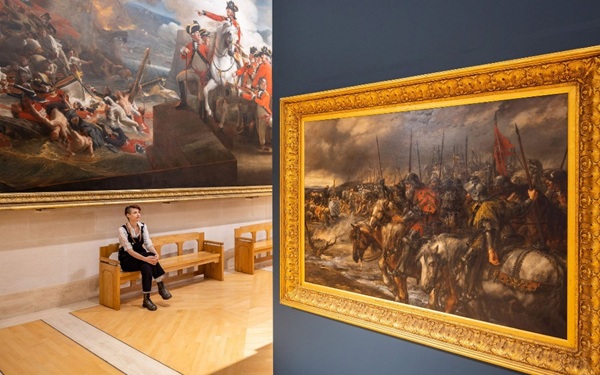

4. 我注意到您亲自策展了“The Big City: London painted on a grand scale”展览。能否以这个展览为例,系统分享您的策展方法论?从最初的概念构思、作品选择到最终的展陈叙事,您经历了怎样的思考过程?宏大尺度的城市绘画对展厅空间提出了哪些特殊挑战?
对于《The Big City》展览,我感兴趣的不仅仅是伦敦作为一个地方,而是艺术家如何以宏大的尺度回应这座城市。大尺幅绘画具有独特的沉浸式观赏效果,我希望观众能够感受到伦敦的活力、雄心和持续不断的演变。因此,这次展览成为对“尺度、城市与艺术视野”之间关系的探索。这是一次特别令人满足的展览,因为所有展品都来自画廊自身的藏品,我非常喜欢展示那些之前从未展出过或很久没有展出的作品。它也汇集了我作为策展人最看重的多个元素:研究、叙事、观众互动以及实际问题的解决。每当我开始策划一个展览时,我都会先问自己:观众离开时会带走怎样的故事?我会先确立核心理念,然后围绕它构建叙事,让每一件展品都强化这一叙事。我仔细研究了画廊的藏品,寻找能够支撑这一核心叙事的作品,不仅考虑艺术品质,还考虑历史语境以及不同时代艺术家诠释伦敦的多种方式。重要的是,展览要呈现多元视角,而非单一的编年史。我希望观众理解这座城市如何持续不断地激励艺术家对变化作出回应,无论是通过建筑、工业还是日常都市生活。因此,选品是由叙事驱动的,而非简单地挑选最著名的作品。每幅画都需要为整体故事贡献独特的内容,同时与相邻作品形成视觉对话。我常认为,观众应该感觉自己是在经历一个展开的叙事,而非从一个孤立的作品走到另一个。不过,在选品时我确实设定了一个标准,即什么算作大尺幅绘画——本次展览中定义为任何超过2米×2米的作品。展出大尺幅绘画的一个特别挑战在于,这些作品本身变成了建筑元素。它们不仅仅是挂在墙上,而是塑造了周围的空间。它们巨大的物理尺度影响着视线、通行动线、灯光甚至画廊内的情感氛围。同时也存在实际操作上的考量。大幅作品在搬运和安装方面会带来重大物流挑战,还涉及结构承重等问题,其中一件作品需要六名技术人员共同搬运。最后,我始终会思考观众在展览中的情感旅程。我希望人们离开时不仅仅学到新知识,更能获得难忘的体验。对于《The Big City》,我的希望是观众能带着对伦敦本身焕然一新的欣赏离开,认识到几个世纪以来艺术家们如何持续不断地诠释、质疑并颂扬这座城市。
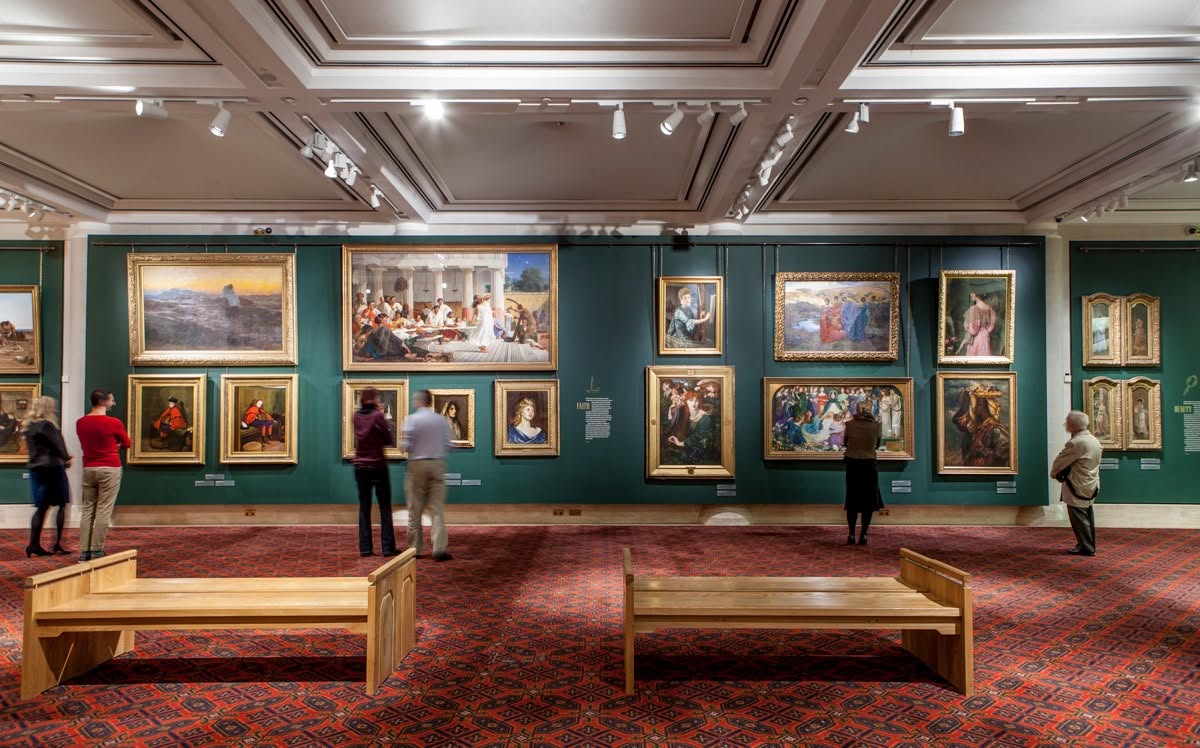

5. Guildhall Art Gallery的馆藏涵盖17世纪肖像画、拉斐尔前派杰作,以及科普利那幅巨大的《直布罗陀浮动炮台的失败》。这些作品诞生于完全不同的历史语境,您采用了哪些策略来激活它们的当代意义,使其与21世纪的观众产生共鸣?在您看来,打破“博物馆疲劳”的关键是叙事方式的更新,还是观看语境的重构?
领导Guildhall Art Gallery的最大特权之一,就是有幸照管一个跨越近四个世纪(如果算上圆形竞技场的话则达2000年)的藏品,它反映了历史、身份和艺术成就的诸多不同面向。虽然这些作品诞生于截然不同的历史语境,但我从未将它们视为静止的历史物件。相反,我将它们视为过去与现在之间持续对话的积极参与者。对我而言,挑战不在于人为地将历史作品变得“现代”,而是帮助观众认识到它们今天为何仍然重要。每一件艺术作品都是对普世人类经验的回应:身份、权力、冲突、雄心、爱、失落或归属。这些主题至今依然具有惊人的相关性,尽管历史语境已经改变。关于您提到的“博物馆疲劳”问题,我认为它不能仅靠叙事来解决,也不能仅靠改变观赏语境来解决。我相信,重要的是两者之间的关系。引人入胜的叙事能让观众有理由更仔细地观看,而物理与智力语境则塑造了他们体验作品的方式。展览设计、灯光、诠释内容、数字资源、公共项目以及对话机会,都共同构成了这种体验。博物馆应该是发现的场所,而非被动消费之地。观众应该感到自己被邀请去提出问题、建立联系,并形成自己的诠释。归根结底,我相信当藏品成为激发好奇、对话与连接的催化剂时,它们才最具力量。而它们之所以能保持相关性,正是因为人们始终充满好奇。博物馆提供了一个机会,让人们站在真实物件面前,放慢脚步,思考反思,并以既严谨又富有个人意义的方式去遭遇历史、艺术与思想。如果我们能够持续创造这些连接的时刻,那么数百年前创作的藏品就将继续有力地与今天的观众对话。
6. 美术馆下方保存着伦敦罗马圆形剧场的遗迹,这在全球美术馆中极为独特。这一“地下层”的历史纵深,是否改变了您对展览动线和空间叙事逻辑的设计?在文物保护、展览呈现与参观体验之间,您如何实现“古今共存”的平衡?
罗马圆形竞技场无疑影响了我对展览设计和观众参观体验的思考。它促使我不仅从时间顺序上思考,也从垂直维度上思考。观众会实实在在地走下画廊,来到伦敦最引人注目的考古遗址之一,在途中也会接触到反映这座城市后期艺术与文化历史的藏品。这种在建筑中的物理移动,变成了一种穿越时间的隐喻之旅,营造出强烈的连续感而非碎片感。对我而言,空间叙事与诠释叙事同样重要。我总是会考虑观众如何在建筑中移动,哪里会出现期待与反思的时刻,以及建筑、灯光和空间序列如何同时塑造情感与智力上的回应。这一方法也体现在展览《Jock McFadyen with Jem Finer: Underground (and Surface)》中。该展览探索了伦敦地上与地下的分层景观,Jock和我希望观众不仅在视觉上,也能在身体上体验这段旅程。开幕展厅展示的是Jock受伦敦地铁启发的作品,我们特意将其设计得较为昏暗且封闭。我们还设置了一面独立墙,部分遮挡了通往下一展厅的入口,营造出压迫感和不确定性,与在地铁隧道中穿行的体验相呼应。当观众进入第二个展厅时,氛围发生戏剧性的转变。空间豁然开朗,充满光线,陈列着McFadyen描绘的伦敦地上广阔城市景观。这种从黑暗到光明、从封闭到开放的过渡,呼应了人们从地铁站走出、进入城市的熟悉感受。这是一个相对简单的设计干预,却让观众能够用身体和想象力共同体验这次展览。他们不再只是观看关于伦敦的绘画,而是被邀请去感受这座城市的节奏与对比。我相信这些时刻非常重要。当展览设计、诠释内容和建筑相互配合时,能够显著加深观众的参与度,并创造出让他们离开后仍久久难忘的体验。在遗产保护、展览呈现与观众体验之间取得平衡始终是一个谨慎的过程。考古遗址的保护必须放在首位,每一项干预都需尊重场地的完整性。与此同时,仅有保护是不够的。如果观众无法理解或连接他们所看到的内容,那么一个重要的机会就流失了。因此,我们采取的方法是利用诠释、灯光和深思熟虑的空间设计,在不压倒遗址本身的前提下,揭示其重要意义。我确实曾计划使用技术来重新诠释这个空间,我也认为这会非常有效,然而技术绝不应成为焦点,而应 quietly(悄然地)支持观众对这个地方的理解。

7. 在一个承载着维多利亚时代建筑记忆和古罗马历史的空间中展示当代艺术,必然产生有趣的对话或张力。您是否经历过某个当代艺术作品与这个历史空间产生特别强烈共鸣(或冲突)的案例?这种空间与作品之间的“摩擦”,对您而言是策展的挑战还是机遇?
我一直将当代艺术与历史藏品之间的关系视为策展实践中最令人兴奋的方面之一。我并不认为历史环境只是当代作品需要“舒适”地置身其中的背景;相反,最有价值的时刻往往出现在存在一定程度创意张力的时候。如果处理得当,这种“摩擦”就会成为机会而非挑战,鼓励观众质疑熟悉的叙事,并以新的方式看待艺术作品和画廊本身。在Guildhall Art Gallery,有多位当代艺术家以明确或微妙的方式回应过历史藏品。其中特别突出的是我为画廊委托的第一件作品——Liz Johnson Artur的《Top Shelf》,该作品在当代艺术学会的支持下得以入藏。这是一件摄影装置作品,由二十张照片组成,选自Johnson Artur长期记录Peckham和Brixton黑人英国社区的庞大作品集。受画廊维多利亚时期藏品的启发,Johnson Artur选择以橱窗式装裱和框架将这些照片组合成单一装置,创造了对19世纪沙龙式悬挂方式的当代诠释——这种悬挂方式正是画廊维多利亚永久陈列的特色。这不仅仅是风格上的引用。通过采用传统上与维多利亚绘画相关的视觉语言,并将其填满当代黑人伦敦人的肖像,这件作品在过去与现在之间创造了强有力的对话。它邀请观众思考博物馆如何构建叙事,以及历史上哪些人的生活曾在画廊墙壁上被颂扬。该装置证明,历史藏品并非固定于过去;当当代艺术家以深思熟虑的方式与之互动时,就能揭示新的视角、拓宽呈现范围,并鼓励观众以全新的眼光看待历史与当代作品。让我特别欣赏的是,这件作品并没有通过否定维多利亚藏品来挑战它,而是与之展开对话。沙龙式悬挂的熟悉语言让这件新委托作品立即与历史陈列建立联系,而其主题则悄然扩展了画廊的叙事,反映出当代伦敦的丰富性与多样性。对我而言,这正是历史环境中成功进行当代委托的核心。当代作品不应感觉像是孤立的干预,也不应仅仅阐释现有叙事。它们应该向藏品提出新的问题,并邀请观众重新思考他们自以为已经了解的东西。更广泛地说,我相信往往正是在历史交叠、视角不同、预期被温和挑战的那些节点,观众才能体验到最有意义的发现时刻。从这个意义上讲,作品与环境之间的“摩擦”并非需要回避的东西;而往往正是最吸引人、最发人深省的诠释开始之处。

8. Guildhall Art Gallery的收藏核心定位是“与伦敦相关”——无论是艺术家的关联还是作品主题的关联。在当代艺术实践日益全球化的背景下,这一聚焦伦敦的策略面临哪些挑战和机遇?您如何决定一件当代艺术作品是否“足够伦敦”,从而值得纳入馆藏?这个判断标准是否也在随着城市自身的变化而演变?
Guildhall Art Gallery藏品的定义性特征在于它讲述了伦敦的故事。乍一看,这可能显得是一个狭窄的收藏范围,但实际上它极为广阔。伦敦一直是一座由流动、交流和多样性塑造的城市。它既深深根植于自身的历史,又不断被生活、工作和创作于此的人们重新定义。随着城市的发展,藏品也应随之演进。对我而言,“与伦敦相关”远不止于地理范畴。它不仅仅是艺术家是否居住在伦敦,或绘画中是否出现可辨识的地标。我更关注的是作品是否捕捉到了关于这座城市身份、社区、文化生活,或那些将伦敦视为家园的人们经历的某种有意义的东西。这种关系有时是明确的,有时是微妙的,但它应该以某种方式加深我们对伦敦的理解。这也深刻影响了我对当代艺术收藏的方法。在考虑新入藏作品或委托创作时,我不仅会询问它是否符合收藏政策,还会询问它能为藏品带来什么新的视角。它是否讲述了一个尚未被呈现的故事?它是否反映了伦敦社会、文化或艺术生活中那些未来世代会希望理解的方面?它是否能促使我们以不同的方式看待这座城市?我为画廊所做的最后一批入藏作品之一——Prem Sahib的《Chariots Right Lion I》,很好地体现了这一方法。该作品反映了伦敦的LGBTQIA+社区,同时也触及了首都不断变化的物质与社会景观。通过对消失中的酷儿空间以及城市重建对社区和文化身份影响的指涉,它记录了伦敦当代历史中重要的一章。这是一件既拓展了藏品对城市的呈现,又邀请观众思考“哪些故事被保存、哪些地方被珍视,以及随着伦敦持续发展可能失去什么”的作品。我将收藏标准视为其目的保持不变,但在诠释上不断演进的事物。其目的始终是收藏有助于讲述伦敦故事的作品。然而,随着城市本身的变化,我们对这个故事的理解也不可避免地会随时间改变。每一代人都会对过去提出不同的问题,并为当下贡献新的经验。如果一个藏品无法对这些变化作出回应,最终它就只会记录伦敦历史的一部分,而非整座城市。我认为画廊以伦敦为中心的定位是其最大的优势之一。它非但没有限制藏品,反而提供了一个清晰的智力框架,让极其多样化的艺术声音能够共存。伦敦从来不是一个静止的地方,试图呈现它的藏品也不应如此。我希望,在我离开画廊之后,这一特点能继续成为画廊未来发展的一部分,但这最终取决于我的继任者!

9. Guildhall Art Gallery的收藏本质上是一部视觉化的伦敦城市史。在脱欧后的伦敦、后疫情时代的伦敦,这座城市正在经历深刻变化。您认为美术馆应该如何记录和回应这些尚未完全成为“历史”的当代变迁?是否有计划通过收藏来保存这个座城市当下的集体情绪与视觉经验?
我认为博物馆不应该等待历史尘埃落定之后才作出回应。作为策展人的一项重要责任,就是要超越当下时刻进行思考。我们今天入藏的作品,将成为明天的历史记录。这意味着不仅要考虑艺术品质和重要性,还要思考未来的观众将如何理解我们这个时代的伦敦。我们不仅仅是在记录今天的城市,更是在确保后代能继承一个反映伦敦丰富性、多样性和持续重塑的藏品。伦敦一直是一座不断变化的城市,在脱欧和疫情之后,它在社会、文化和物质层面仍在持续演进。我认为,画廊不应直接收藏事件本身,而应收藏那些捕捉这些变化中人们真实感受的作品——那些定义特定时刻城市的情感、身份和社区。这一理念指导了近年来的多件入藏作品,包括之前讨论过的Prem Sahib和Liz Johnson Artur的作品。它们都保存了当代伦敦的某些方面,这些是未来世代希望理解的内容,同时也拓宽了藏品对城市多元社区和真实生活经历的呈现。我入藏的一件作品是在英国脱欧公投后不久绘制的,即Ferha Farooqui的《Carnival Procession》。这幅画描绘了Newham一年一度的热闹嘉年华,展现了伦敦最具多元文化特征的自治市之一的活力与多样性。然而,在丰富的色彩和节日氛围之下,隐藏着一个更为复杂的叙事。在狂欢的人群中,有人高举圣乔治旗和英国国旗,而游行队伍下方的地面正在断裂、分开,人们跌入不断扩大的裂缝之中。这幅画并非对脱欧进行直白的评论,而是捕捉了那个时期出现的 uncertainty(不确定性)、分裂和相互竞争的身份认同。我认为这是一件重要的入藏作品,因为它记录的不仅仅是一个事件,更是这座城市在经历深刻社会和政治变革时的氛围与情感。我希望,在未来岁月中,它能为后来的观众提供一个关于伦敦近代历史上这一关键时刻的细腻而深刻的人文反思。
10、您曾访问过韩国,参观了首尔多家公立与私立博物馆。作为一位长期在英国文化机构工作的策展人,这次东方博物馆之旅是否让您注意到了一些与西方策展传统形成鲜明对比的叙事方式?以及东西方在文化与观念上存在怎样的差异?
参观韩国的博物馆是一次非常有启发的经历。虽然许多博物馆学原则在国际上是共通的,但侧重点往往感觉相当不同。我特别注意到,许多韩国博物馆非常自信地拥抱科技和沉浸式诠释方式,它们并非将科技作为目的本身,而是作为丰富观众对藏品理解的手段。我观察到的最大差异或许是哲学层面的,而非实践层面。英国博物馆越来越注重鼓励辩论、多元视角以及对藏品的批判性重新诠释。而在我访问首尔期间的许多博物馆,似乎更强调创造连贯的叙事,以培养对文化身份和国家遗产的共同理解。这两种方法没有绝对的优劣之分,它们只是反映了不同的历史和文化语境。我认为最有价值的是认识到每种传统都能从对方身上学到很多。英国博物馆可以继续探索创新科技和空间叙事,以加深观众的参与度,同时保留批判性探究和多元视角——这些是当代博物馆实践的核心。同样,这次访问也让我更加认识到博物馆作为连接人们与身份感、归属感之场所的重要性。归根结底,无论身处何地,最优秀的博物馆都是那些将学术严谨性与想象力相结合,并能在人们、藏品与地方之间创造有意义连接的机构。

11、伦敦是世界上最国际化的城市之一,超过300种语言在这里使用。在实践中,这意味着什么?您如何确保展览和公共项目能够真正触及不同族裔、不同文化背景的社区——而不仅仅是将展板翻译成多语种?在您看来,“包容性”究竟是一种程序正义,还是一种需要被内置于策展基因中的方法论?
对我而言,包容性不是一个结果或一项待勾选的清单,而是一种工作方式。翻译标签有其作用,但真正的包容始于更早的阶段,始于我们所提出的问题:我们在讲述谁的故事?哪些声音在塑造这些故事?又有哪些人可能被排除在对话之外?在我的整个职业生涯中,我一直努力将这种方法融入策展实践。无论是委托艺术家创作,还是入藏反映伦敦多元社区的作品,或是与社区和无障碍团体合作共同创作诠释内容,目标始终是让人们参与塑造博物馆的体验,而非仅仅将体验呈现给他们。在像伦敦这样多元化的城市中,没有任何一个展览能够代表所有人的经历,但博物馆有责任确保不同社区能够在我们讲述的故事中看到自己。这意味着与艺术家、社区团体、学校和文化机构建立长期关系,创造对话的机会,并认识到包容性并非独立于策展卓越性之外——它正是策展卓越性的根本所在。当多元视角从一开始就被融入其中时,展览就会变得更加丰富、更具相关性,并最终对所有观众都更有意义


12. 疫情以来,全球美术馆都在加速数字化转型。Guildhall Art Gallery在数字展览、在线收藏数据库、虚拟导览等方面做了哪些具体尝试?在您看来,数字技术究竟是实体美术馆体验的补充与延伸,还是一种潜在的替代?在资源有限的情况下,您如何权衡实体项目与数字项目的投入?
疫情无疑加速了博物馆行业的数字创新,但同时也强化了亲身观赏原作的持久价值。在Guildhall Art Gallery,我们在数字技术能够真正提升可及性和参与度的地方积极采用。这些举措包括制作与展览配套的数字内容、举办在线活动,以及开发无障碍在线资源,确保观众即使不进行实体参观也能与画廊互动。我将数字技术视为对画廊体验的补充,而非替代。它可以消除障碍、扩大受众范围并丰富诠释内容,但无法复制站在原作面前或漫步于罗马圆形竞技场等历史空间的体验。与真实物件的情感与物理相遇,始终是博物馆所提供体验的核心。在资源有限的情况下,我认为投资应始终以观众需求为导向,而非为了技术而技术。最成功的数字举措是那些能够扩展藏品影响力、提升可及性或加深理解,同时支持而非取代实体体验的举措。最终,数字与实体参与应该相互配合,彼此强化,从而创造出更丰富、更有包容性的博物馆体验。
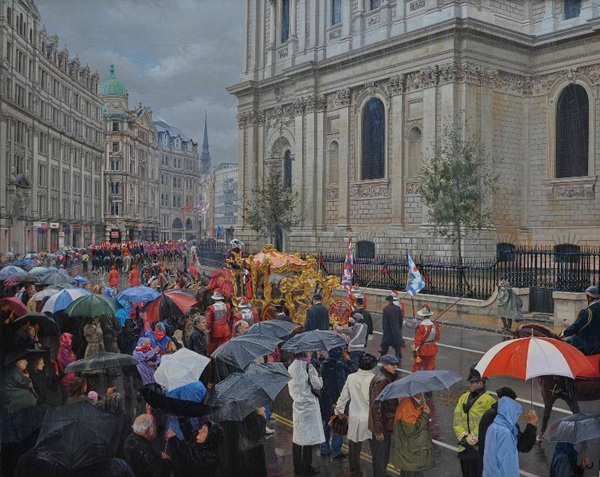

13. 如果未来有机会与中国的美术馆或文化机构合作,您认为Guildhall Art Gallery的收藏和策展经验能为中英文化交流带来怎样的独特贡献?是否有您特别感兴趣的中国艺术或城市主题,您认为可以与伦敦的城市叙事形成跨时空的对话?
我相信合作有着巨大的潜力,因为伦敦和中国的主要城市都是历史与快速城市变迁以引人入胜的方式共存的地方。尽管两者的历史非常不同,但它们都面临着关于身份、遗产、城市再生以及传统与现代关系等共同问题。这些主题也塑造了我大量的策展工作。Guildhall Art Gallery的藏品提供了一个独特的视角,展现了世界伟大城市之一在四个世纪中被呈现的方式;而我们委托当代艺术家回应历史藏品的经验,则展示了过去与现在之间的对话如何创造出全新的诠释。我认为这种方法非常适合与中国博物馆开展合作,共同探索两国艺术家如何回应不断变化的城市环境以及其中所体现的文化身份。我特别感兴趣的是中国许多博物馆如何在对文化遗产保持深切尊重的同时,又自信地拥抱当代建筑、科技和艺术实践。我非常欢迎有机会探讨共同主题,例如全球城市的演变、记忆、手工艺,以及人与地方之间不断变化的关系。文化交流最有意义的时候,是超越单纯的藏品分享,而是创造出新的对话机会和相互学习的空间。
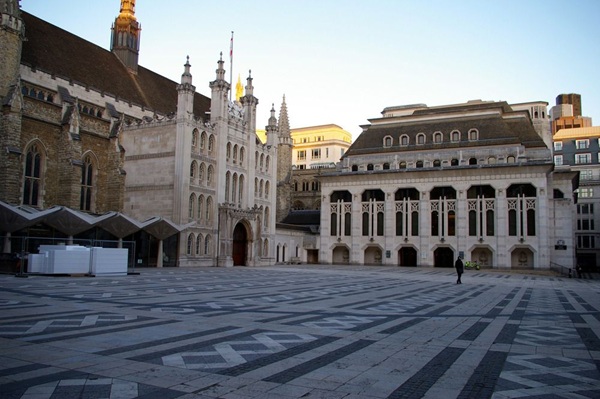

14. 您曾在采访中提到“伦敦建筑独特且多样,吸引艺术家不断创作”。作为一位长期在伦敦工作的文化机构领导者,您个人与这座城市有着怎样的情感连接?这种个人感受——而非单纯的职业职责——是否以及在何种程度上塑造了您在Guildhall Art Gallery的工作方向与机构愿景?
伦敦已处于我职业生涯的中心近二十年,但我与这座城市的联系远远超出职业范畴。我在伦敦出生并长大,像许多终身伦敦人一样,我与这座城市的关系既充满深厚情感,也保持着诚实。它令人无限启发,但也充满挑战、复杂性和矛盾。我认为这种平衡很重要。它让我能够在颂扬伦敦非凡的创造力、多样性和历史的同时,也能正视它的不平等、紧张关系和持续不断的转变。画廊的角色不仅仅是歌颂一座城市,更是要真实地呈现它的全部丰富性与复杂性。这种个人连接无疑塑造了我在Guildhall Art Gallery的工作。我一直努力将伦敦呈现为一个鲜活的城市,而非一个固定的历史主题——它的故事仍在不断书写。无论是通过展览、委托当代艺术家创作,还是为藏品入藏新作品,我的目标始终是揭示关于伦敦的不同视角,并鼓励观众以新的眼光看待这座城市。如果人们离开画廊时,对伦敦怀有比到来时更强烈的好奇心、理解和欣赏,那么我觉得自己就成功了。
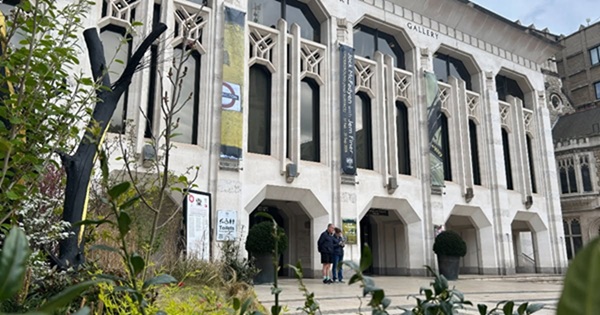

1. You authored the book Guildhall Art Gallery Director's Choice in 2020, which is often regarded as a concentrated expression of a gallery director’s profound understanding of their collection. Could you share with us how you first entered the world of art galleries and museums? Having transitioned from an archaeology background to museum management, how has this interdisciplinary training shaped your perspective on collections today?
Studying archaeology taught me to look closely at material culture and to understand objects not simply as things in themselves, but as evidence of human lives, beliefs and societies. Archaeology is fundamentally about people and piecing together stories from fragments, asking questions about context, provenance and meaning, and that way of thinking has stayed with me throughout my career.
Working in art history and archaeology, I don't see those disciplines as separate. They are both concerned with understanding people through the things they create, use and value. Whether it's a Roman artefact or a contemporary painting, I'm interested in the human stories that objects reveal and the ways in which museums can make those stories meaningful for today's audiences.
That perspective has shaped my approach throughout my career. At London Transport Museum, for example, I wasn't simply interpreting transport history; I was exploring the social, cultural and design histories embedded within the collection. Similarly, at Guildhall Art Gallery, I wanted the collection to be understood not just as a remarkable group of paintings, but as a record of London's evolving identity, reflecting its people and places, and as windows into the social, political and cultural contexts in which they were created.
Writing Director's Choice was a wonderful opportunity to reinforce this. Rather than producing a catalogue of the collection's 'greatest hits', I wanted to create something more personal that reflected the richness and diversity of the collection and encouraged readers to look more closely at familiar works, discover lesser-known pieces and think about the stories that connect them.
More broadly, I think my interdisciplinary background has helped me to look beyond traditional art historical narratives. Archaeology encourages you to think across time, disciplines and cultures, and to value context as much as the object itself. That has influenced how I approach collections today, whether through interpretation, exhibitions or acquisitions. I'm always asking not just, what is this object? but why does it matter?, whose story does it tell? and how can we help different audiences connect with it?
2. Before becoming Director of the Guildhall Art Gallery, you gained extensive curatorial and management experience across several institutions. Looking back, was there a particular project or moment when you realized you had shifted from being a “project executor” to an “institutional leader”? What was the most challenging aspect of that transition?
Looking back, I don't think there was a single defining moment so much as a gradual realisation that my role had fundamentally changed. Early in my career, my focus was on delivering individual projects whether exhibitions, gallery redevelopments or interpretation projects. I think the real transition came during my time at the London Transport Museum, particularly as Head Curator. I was no longer simply responsible for my own projects; I was leading a team of curators with their own areas of expertise, overseeing a portfolio of exhibitions and gallery projects, and helping to shape the museum's wider strategic direction. My role became more about creating an environment in which others could do their best work, while ensuring that everything aligned with the organisation's mission and long-term objectives.
That shift became even more pronounced at Guildhall Art Gallery. As Director, I found myself balancing a much broader set of responsibilities: leading the Gallery's strategic direction, managing people and resources, working with elected Members and senior officers, building partnerships, overseeing budgets, fundraising and ensuring the Gallery remained relevant to increasingly diverse audiences. The decisions I was making were no longer just about a single exhibition or programme, but about the long-term health and resilience of the organisation.
The biggest challenge in that transition was learning to step back. Leadership required me to trust others, to delegate effectively and to recognise that my role was no longer to produce every outcome myself, but to support and empower talented colleagues to achieve more collectively than any one individual could.
It also required a change in perspective. Every decision had to balance creative ambition with financial realities, operational considerations and the needs of a wide range of stakeholders. Ultimately, I still think like a curator in the sense that I remain curious, interested in ideas and committed to quality. But I now see leadership as an act of stewardship. It's about setting a clear vision, building strong relationships and creating opportunities for others to succeed. For me, that has been the most significant and rewarding shift in my career.
3. Although the proportion of female leaders in the museum sector is increasing, the intersecting influences of gender and multiple identities are still often underestimated. As a female gallery director with a multicultural background, how do you view the role of identity—whether gender, ethnicity, or cultural heritage—in the leadership of cultural institutions? Has this awareness of identity given you a different sensitivity or perspective when addressing issues of representation within the collection?
My multicultural background has certainly influenced the way I approach leadership, in that it has made me naturally curious about different perspectives and perhaps even conscious that there is rarely a single narrative or interpretation. I think my background also helps me to recognise that cultural institutions have a responsibility to create spaces where many different voices can be heard.
This awareness has undoubtedly influenced my approach to interpretation and representation. Rather than thinking in terms of rewriting history, I've been interested in broadening it, asking whose voices are present, whose might be missing and how we can enrich our understanding by including a wider range of perspectives while remaining rooted in rigorous scholarship.
One project that encapsulated this approach was Revealing the City's Past at Guildhall Art Gallery. The project reinterpreted two statues of William Beckford and Sir John Cass, who had strong links to and profited from the Transatlantic Trade in Enslaved Africans. I led the project with a key focus on taking a consultative approach to develop the interpretation, working with an intergenerational panel and accessibility panel, and a team of contributors, mostly from the Caribbean diaspora. Community voices were an essential part of the project, and accessibility was embedded as a principle. The project represented a shift in narrative, with a range of Black voices foregrounded permanently for the first time at the Guildhall. The lived experience of all the contributors directly informed the interpretation, digital resources and visitor experience. It reinforced for me that representation is not only about whose stories we tell, but also about who is able to engage with those stories and how we remove barriers to participation.
Similarly, across exhibitions and gallery projects, I've sought to work collaboratively with artists, communities, academics and colleagues to bring multiple perspectives into the development process. I have found that the strongest interpretation emerges when expertise is combined with openness to different experiences and viewpoints.
I think my own background has certainly given me a sensitivity to questions of identity and belonging, but perhaps more importantly it has reinforced the importance of curiosity, empathy and listening. Those qualities, I believe, are fundamental to leading cultural institutions that are both intellectually rigorous and genuinely welcoming to all.
4. I noticed that you personally curated the exhibition The Big City: London Painted on a Grand Scale. Could you use this exhibition as an example to systematically share your curatorial methodology? From the initial concept development and selection of works to the final exhibition narrative, what was your thought process? What specific challenges do large-scale urban paintings pose for exhibition spaces?
For The Big City, I was interested in exploring not simply London as a place, but how artists have responded to the city at a monumental scale. Large paintings have a unique ability to immerse the viewer, and I wanted visitors to experience London’s dynamism, ambition and constant evolution. The exhibition therefore became an exploration of the relationship between scale, the city and artistic vision.
It was a particularly rewarding exhibition because all of the works came from the Gallery’s collection and I love showcasing artworks that haven’t been displayed before or for a long time. It also brought together many of the elements that I value most as a curator: research, storytelling, audience engagement and practical problem-solving.
Whenever I begin developing an exhibition, I start by asking what is the story visitors will leave with. I try to establish the central idea, and then build a narrative around it, which every object reinforces. I looked carefully at the Gallery's collection to identify works that could support this central narrative, considering not only artistic quality but also historical context and the different ways artists had interpreted London across time. It was important that the exhibition represented multiple perspectives rather than a single chronological history. I wanted visitors to understand how the city has continually inspired artists to respond to change, whether through architecture, industry or everyday urban life.
Selection was therefore driven by narrative rather than simply by choosing the most famous works. Each painting needed to contribute something distinctive to the overall story while also creating visual conversations with neighbouring works. I often think visitors should feel they are progressing through an unfolding narrative rather than moving from one isolated object to another. However, I did have to apply one criteria to the object selection, and that was what constituted a large painting - in this case it was any work over 2m x 2m.
One of the particular challenges of exhibiting large-scale paintings is that the works themselves become architectural. They don't simply hang on the wall; they shape the space around them. Their physical scale influences sightlines, visitor movement, lighting and even the emotional atmosphere within the gallery. There are also practical considerations. Large paintings present significant logistical challenges, from movement and installation to structural loading, with one work requiring six technicians to move.
Finally, I always think about the visitor's emotional journey through an exhibition. I want people to leave not simply having learnt something new, but having experienced something memorable. With The Big City, my hope was that visitors would come away with a renewed appreciation of London itself, recognising how artists have continually interpreted, questioned and celebrated the city over centuries.
5. The Guildhall Art Gallery’s collection encompasses 17th-century portraits, Pre-Raphaelite masterpieces, and John Singleton Copley’s monumental The Defeat of the Floating Batteries at Gibraltar. These works were created in vastly different historical contexts. What strategies have you employed to activate their contemporary relevance and create resonance with 21st-century audiences? In your view, is the key to overcoming “museum fatigue” the renewal of narrative approaches, or the reconstruction of the viewing context itself?
One of the great privileges of leading the Guildhall Art Gallery has been caring for a collection that spans almost four centuries (or 2,000 years if you include the Amphitheatre!) and reflects so many different facets of history, identity and artistic achievement. While the works themselves were created in very different historical contexts, I have never viewed them as static historical objects. Instead, I see them as active participants in an ongoing conversation between the past and the present.
For me, the challenge is not to make historic works artificially 'modern', but to help visitors recognise why they still matter today. Every work of art was created in response to universal human experiences: identity, power, conflict, ambition, love, loss or belonging. Those themes remain remarkably relevant, even if the historical context has changed.
To answer your question about museum fatigue, I don't think it can be addressed through narrative alone, nor solely through changing the viewing context. I believe it is the relationship between the two that matters.
A compelling narrative gives visitors a reason to look more closely, while the physical and intellectual context shapes how they experience the work. Exhibition design, lighting, interpretation, digital resources, public programmes and opportunities for dialogue all contribute to that experience. Museums should be places of discovery rather than passive consumption. Visitors should feel invited to ask questions, make connections and develop their own interpretations.
Ultimately, I believe collections are most powerful when they become catalysts for curiosity, conversation and connection and they remain relevant because people remain curious. Museums offer the opportunity to stand in front of an authentic object, to slow down, to reflect and to encounter history, art and ideas in ways that are both intellectually rigorous and personally meaningful. If we can continue to create those moments of connection, then collections created hundreds of years ago will continue to speak powerfully to audiences today.
6. Beneath the Guildhall Art Gallery lies the preserved remains of London’s Roman amphitheatre — a feature that is exceptionally rare among art galleries worldwide. Has this deep historical layer at the “underground level” influenced your approach to designing exhibition routes and spatial narrative logic? How do you balance heritage preservation, exhibition presentation, and visitor experience to achieve a harmonious coexistence of ancient and contemporary elements?
The Roman Amphitheatre has certainly influenced the way I think about exhibition design and the visitor journey. It encourages me to think vertically as well as chronologically. Visitors quite literally descend beneath the Gallery to discover one of London's most remarkable archaeological sites, and encounter collections that explore the city's later artistic and cultural history on the way. That physical movement through the building becomes a metaphorical journey through time, creating a powerful sense of continuity rather than fragmentation.
For me, spatial narrative is just as important as interpretive narrative. I always consider how visitors move through a building, where moments of anticipation and reflection occur, and how the architecture, lighting and sequencing of spaces can shape an emotional as well as an intellectual response.
This approach informed the exhibition Jock McFadyen with Jem Finer: Underground (and Surface). The exhibition explored London's layered landscapes, both above and below ground, and Jock and I wanted visitors to experience that journey physically as well as visually. The opening gallery, which featured Jock’s works inspired by the London Underground, was intentionally darker and more enclosed. We introduced a freestanding wall that partially concealed the entrance to the next gallery, creating a sense of compression and uncertainty that echoed the experience of travelling through subterranean spaces.
As visitors moved into the second gallery, the atmosphere changed dramatically. The space opened up, was flooded with light and displayed McFadyen's expansive urban landscapes of London above ground. That transition from darkness to light, from enclosure to openness, mirrored the familiar sensation of emerging from the Underground into the city. It was a relatively simple design intervention, but one that encouraged visitors to experience the exhibition with both their bodies and their imaginations. Rather than simply looking at paintings of London, they were invited to feel something of the city's rhythms and contrasts.
I believe these moments are incredibly important. When exhibition design, interpretation and architecture work together, they deepen engagement and create experiences that visitors remember long after they have left.
Balancing heritage conservation, exhibition presentation and visitor experience is always a careful process. The preservation of the archaeology must remain paramount, and every intervention has to respect the integrity of the site. At the same time, preservation alone is not enough. If visitors cannot understand or connect with what they are seeing, then an important opportunity is lost. The approach has therefore been to use interpretation, lighting, and thoughtful spatial design to reveal the significance of the archaeology without overwhelming it. I did have ambitions to use technology to reinterpret the space and I think it could be incredibly effective, however the technology should never become the focus; it should quietly support the visitor's understanding of the place.
7. Displaying contemporary art within a space that carries memories of Victorian architecture and ancient Roman history inevitably generates intriguing dialogues or tensions. Have you ever encountered a specific contemporary artwork that created a particularly powerful resonance — or conflict — with this historic setting? For you, does this “friction” between space and artwork represent a curatorial challenge or an opportunity?
I have always seen the relationship between contemporary art and historic collections as one of the most exciting aspects of curatorial practice. Rather than viewing the historic setting as a backdrop against which contemporary works must sit comfortably, I think the most rewarding moments often occur when there is a degree of creative tension. If approached thoughtfully, that 'friction' becomes an opportunity rather than a challenge, encouraging visitors to question familiar narratives and to see both the artworks and the gallery itself in new ways.
There are several examples within the Guildhall Art Gallery where contemporary artists have responded to the historic collection in both explicit and subtle ways. One that stands out is the first artwork I commissioned for the Gallery, Top Shelf by Liz Johnson Artur, acquired with the support of the Contemporary Art Society. The work is a photographic installation comprising twenty prints drawn from Johnson Artur's extensive body of work documenting Black British communities in Peckham and Brixton.
Inspired by the Gallery's Victorian collection, Johnson Artur chose to window mount and frame the photographs as a single installation, creating a contemporary interpretation of the nineteenth-century salon hang that characterises the Gallery's permanent Victorian display. This was more than a stylistic reference. By adopting the visual language traditionally associated with Victorian painting and filling it with contemporary portraits of Black Londoners, the work created a powerful dialogue between past and present. It invited visitors to reflect on how museums construct narratives, and whose lives have historically been celebrated within gallery walls. The installation demonstrated that historic collections are not fixed in time; when contemporary artists engage thoughtfully with them, they can reveal new perspectives, broaden representation and encourage audiences to look at both the historic and the contemporary works with fresh eyes.
What I found particularly compelling was that the work did not seek to challenge the Victorian collection by rejecting it. Instead, it entered into conversation with it. The familiar language of the salon hang immediately connected the new commission to the historic displays, while the subject matter quietly expanded the Gallery's narrative to reflect the richness and diversity of contemporary London. That, for me, is the essence of successful contemporary commissioning within a historic environment. Contemporary works should not feel like isolated interventions, nor should they simply illustrate existing narratives. They should ask new questions of the collection and invite audiences to reconsider what they thought they already knew.
More broadly, I believe it is often at the points where histories overlap, perspectives differ and expectations are gently challenged that visitors experience the most meaningful moments of discovery. In that sense, the 'friction' between artwork and setting is not something to avoid; it is often where the most engaging and thought-provoking interpretation begins.
8. The core collecting focus of the Guildhall Art Gallery is “London-related” — whether through the artist’s connection or the subject matter of the works. In an era when contemporary art practice is becoming increasingly globalised, what challenges and opportunities does this London-centric strategy present? How do you determine whether a contemporary artwork is “sufficiently London” to warrant inclusion in the collection? Does this criterion evolve as the city itself changes?
The defining characteristic of the Guildhall Art Gallery's collection is that it tells the story of London. At first glance, that might appear to be a narrow collecting remit, but in reality it is remarkably expansive. London has always been a city shaped by movement, exchange and diversity. It is both deeply rooted in its own history and constantly being redefined by the people who live, work and create here. As the city evolves, so too should the collection.
For me, being 'London-related' is about far more than geography. It is not simply a question of whether an artist lives in London or whether a recognisable landmark appears in a painting. I am much more interested in whether a work captures something meaningful about the city's identity, its communities, its cultural life or the experiences of the people who call London home. Sometimes that relationship is explicit, sometimes it is subtle, but it should deepen our understanding of London in some way.
That has certainly informed my approach to collecting contemporary art. When considering new acquisitions or commissions, I have always asked not only whether a work meets the collecting policy, but also what new perspective it brings to the collection. Does it tell a story that is not already represented? Does it reflect aspects of London's social, cultural or artistic life that future generations will want to understand? Does it challenge us to look at the city differently? One of the final acquisitions I made for the Gallery, Prem Sahib's Chariots Right Lion I, encapsulates this approach. The work reflects London's LGBTQIA+ communities while also speaking to the changing physical and social landscape of the capital. Through its reference to the disappearance of queer spaces and the impact of redevelopment on communities and cultural identity, it documents an important chapter in London's contemporary history. It is a work that expands the collection's representation of the city while inviting visitors to reflect on whose stories are preserved, what places are valued, and what may be lost as London continues to evolve.
I see the collecting criterion as something that remains constant in its purpose but evolves in its interpretation. The purpose is always to collect works that help tell London's story. However, our understanding of that story inevitably changes over time as the city itself changes. Every generation asks different questions of the past and contributes new experiences to the present. A collection that failed to respond to those changes would eventually become a record of only part of London's history rather than the city as a whole.
I believe the Gallery's London-centric focus is one of its greatest strengths. Rather than limiting the collection, it provides a clear intellectual framework within which an extraordinary diversity of artistic voices can coexist. London has never been a static place, and neither should the collection that seeks to represent it. I do hope, now that I have left the Gallery, this aspect continues as part of the Gallery’s future, but it is ultimately up to my successor!
9. At its essence, the Guildhall Art Gallery’s collection constitutes a visual history of the city of London. In post-Brexit London and post-pandemic London, the city is undergoing profound transformations. How do you believe a gallery should record and respond to these contemporary changes that have not yet fully become “history”? Are there plans to acquire works that preserve the city’s current collective emotions and visual experiences?
I don't think museums should wait for history to settle before responding to it. One of the great responsibilities of any curator is to think beyond the present moment. The works we acquire today become the historical record of tomorrow. That means considering not only artistic quality and significance, but also how future audiences will understand the London of our time. We are not simply documenting the city as it is today; we are ensuring that future generations inherit a collection that reflects London's richness, diversity and continual reinvention.
London has always been a city of constant change, and post-Brexit and post-pandemic it continues to evolve socially, culturally and physically. Rather than collecting events directly, I believe galleries should acquire works that capture the lived experience of those changes, the emotions, identities and communities that define the city at a particular moment.
That philosophy has informed a number of recent acquisitions, including the works by Prem Sahib and Liz Johnson Artur discussed above. Both preserve aspects of contemporary London that future generations will want to understand, while broadening the collection's representation of the city's diverse communities and lived experiences.
One work I acquired was painted directly after the Brexit referendum, Ferha Farooqui's Carnival Procession. The painting depicts the vibrant annual carnival in Newham, celebrating the energy and diversity of one of London's most multicultural boroughs. Yet beneath its rich colour and sense of festivity lies a more complex narrative. Among the revellers are figures carrying the St George's flag and the Union flag, while the ground beneath the procession fractures and splits, with people falling into the widening cracks. Rather than offering a literal commentary on Brexit, the painting captures the uncertainty, divisions and competing identities that emerged during that period. I felt it was an important acquisition because it records not simply an event, but the atmosphere and emotions of a city experiencing profound social and political change. In years to come, I hope it will offer future audiences a nuanced and deeply human reflection on a pivotal moment in London's recent history.
10. You have visited South Korea and toured several public and private museums in Seoul. As a curator who has worked for many years in British cultural institutions, did this journey to Eastern museums allow you to notice narrative approaches that contrast sharply with Western curatorial traditions? What differences in culture and philosophy between East and West did you observe?
Visiting museums in South Korea was a fascinating experience because, while many of the same museological principles are shared internationally, the emphasis often felt quite different. I was particularly struck by the confidence with which many Korean museums embrace technology and immersive interpretation, not as an end in itself, but as a means of enriching the visitor's understanding of collections. Perhaps the greatest difference I observed was philosophical rather than practical. British museums have increasingly focused on encouraging debate, multiple perspectives and critical reinterpretation of collections. In many of the museums I visited in Seoul, there appeared to be a greater emphasis on creating a coherent narrative that fostered a shared understanding of cultural identity and national heritage. Neither approach is inherently better; they simply reflect different historical and cultural contexts.
What I found most valuable was recognising how much each tradition can learn from the other. British museums can continue to explore innovative technologies and spatial storytelling to deepen visitor engagement, while retaining the critical enquiry and plurality of perspectives that are central to contemporary museum practice. Likewise, my visit reinforced the importance of museums as places that connect people with a sense of identity and belonging. Ultimately, regardless of geography, the best museums are those that combine scholarship with imagination and create meaningful connections between people, collections and place.
11. London is one of the most international cities in the world, with over 300 languages spoken here. What does this mean in practice? How do you ensure that exhibitions and public programmes truly reach communities from diverse ethnic and cultural backgrounds — rather than simply translating exhibition labels into multiple languages? In your view, is “inclusivity” merely a matter of procedural justice, or a methodology that needs to be embedded in the very DNA of curatorial practice?
For me, inclusivity is not an outcome or a checklist, it is a way of working. Translating labels has its place, but genuine inclusion begins much earlier, in the questions we ask: whose stories are we telling, whose voices are shaping them, and who might be missing from the conversation?
Throughout my career I have sought to embed that approach into curatorial practice. Whether commissioning artists or acquiring works by artists that reflect London's diverse communities, or working with community and accessibility groups to co-create interpretation, the aim has been to involve people in shaping the museum experience rather than simply presenting it to them.
In a city as diverse as London, no single exhibition can represent every experience, but museums have a responsibility to ensure that different communities can recognise themselves within the stories we tell. That means building long-term relationships with artists, community groups, schools and cultural organisations, creating opportunities for dialogue, and recognising that inclusion is not separate from curatorial excellence - it is fundamental to it. When diverse perspectives are embedded from the outset, exhibitions become richer, more relevant and ultimately more meaningful for all visitors.
12. Since the pandemic, museums and galleries worldwide have accelerated their digital transformation. What specific initiatives has the Guildhall Art Gallery undertaken in areas such as digital exhibitions, online collection databases, and virtual tours? In your opinion, is digital technology a complement and extension of the physical gallery experience, or a potential substitute? With limited resources, how do you balance investment between physical and digital projects?
The pandemic undoubtedly accelerated digital innovation across the museum sector, but it also reinforced the enduring value of experiencing original works of art in person. At the Guildhall Art Gallery, we embraced digital technologies where they could genuinely enhance access and engagement. This included producing digital content to accompany exhibitions, running online events, and developing accessible online resources, ensuring that audiences could engage with the Gallery beyond a physical visit.
I see digital technology as a complement to, rather than a substitute for, the gallery experience. It can remove barriers, broaden access and enrich interpretation, but it cannot replicate the experience of standing in front of an original work of art or walking through an historic space such as the Roman Amphitheatre. The emotional and physical encounter with authentic objects remains at the heart of what museums offer.
With finite resources, I believe investment should always be driven by audience need rather than technology for its own sake. The most successful digital initiatives are those that extend the reach of collections, improve accessibility or deepen understanding, while supporting, not replacing, the physical experience. Ultimately, digital and physical engagement should work together, each strengthening the other to create a richer and more inclusive museum experience.
13. If given the opportunity in the future to collaborate with Chinese museums or cultural institutions, what unique contributions do you believe the Guildhall Art Gallery’s collection and curatorial expertise could make to Sino-British cultural exchange? Are there particular Chinese artistic practices or urban themes that especially interest you and that you feel could form a cross-temporal dialogue with London’s urban narratives?
I believe there is enormous potential for collaboration because both London and China's major cities are places where history and rapid urban change coexist in fascinating ways. Although their histories are very different, they share questions around identity, heritage, regeneration and the relationship between tradition and modernity. These are themes that have shaped much of my curatorial work.
The Guildhall Art Gallery's collection offers a unique perspective on how one of the world's great cities has been represented over four centuries, while our experience of commissioning contemporary artists to respond to historic collections demonstrates how dialogue between past and present can create fresh interpretations. I think this approach would lend itself well to collaboration with Chinese museums, exploring how artists from both countries respond to changing urban environments and the cultural identities they embody.
I am particularly interested in the way many museums in China balance deep respect for cultural heritage with confidence in embracing contemporary architecture, technology and artistic practice. I would welcome opportunities to explore shared themes such as the evolution of global cities, memory, craftsmanship and the changing relationship between people and place. Cultural exchange is at its most meaningful when it moves beyond simply sharing collections and instead creates opportunities for new conversations and mutual learning.
14. You have mentioned in previous interviews that “London’s architecture is unique and diverse, constantly inspiring artists to create.” As a cultural institution leader who has worked in London for many years, what is your personal emotional connection to this city? To what extent — and in what ways — has this personal feeling, rather than purely professional duty, shaped the direction of your work and the institutional vision at the Guildhall Art Gallery?
London has been at the centre of my career for almost two decades, but my connection to the city extends far beyond my professional life. I was born and raised in London, and like many lifelong Londoners, my relationship with the city is one of both affection and honesty. It is endlessly inspiring, but it can also be challenging, complex and contradictory. I think that balance is important. It allows me to celebrate London's extraordinary creativity, diversity and history while also recognising its inequalities, tensions and continual transformation. A gallery's role is not simply to celebrate a city, but to represent it truthfully in all its richness and complexity.
That personal connection has undoubtedly shaped my work at the Guildhall Art Gallery. I have sought to present London not as a fixed historical subject, but as a living city whose story is still being written. Whether through exhibitions, commissioning contemporary artists or acquiring new works for the collection, my aim has always been to reveal different perspectives on London and encourage visitors to see the city through fresh eyes. If people leave the Gallery looking at London with greater curiosity, understanding and appreciation than when they arrived, then I feel I have succeeded.