
安东尼.莫罗:直觉绘画,用感知打磨
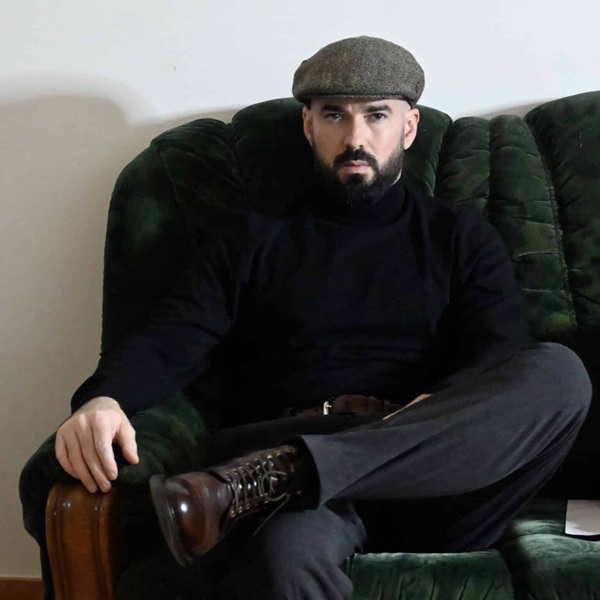
安东尼.莫罗
法国艺术家安东尼.莫罗(Anthony J. Moreau)生于1989年,自幼深耕视觉艺术,长期研习观察性与叙事性素描。其艺术创作根植法国美好时代至现代主义的欧洲绘画传统,兼顾经典艺术底蕴与当代创作思维,形成了兼具写实质感与直觉表达的个人风格,在国际肖像艺术领域收获多项奖项与展览认可。
安东尼.莫罗不机械复刻古典绘画范式,而是汲取法国传统绘画的观察技法与审美内核,结合当代艺术创作视角重构绘画表达。早年扎实的素描功底,让他的作品始终保有严谨的现实观察力与叙事性特质,区别于脱离具象、肆意解构的当代创作,形成了沉稳且鲜活的创作基调。
在绘画技法上,他独创直觉绘画体系,构建起客观再现与主观创作的双重维度。在画面呈现上,他尊重现实物象的真实形态,以具象写实为基础,尤其聚焦肖像题材,精准捕捉人物的外在形态与状态;在创作过程中,他摒弃固化的学院程式与刻意的画面规划,依托个人直觉推进创作,包容创作中的偶然效果,以有机、自然的感知方式打磨作品。
安东尼.莫罗的核心美学追求,是强化艺术主体在画面中的在场感。他的创作突破了单纯描摹物象形似的局限,以传统绘画语言为根基,贴合当下审美与即时感知,通过松弛且精准的创作表达,赋予画面物象真实的生命力与氛围感,让笔下人物与物象脱离平面化质感,在画布载体上形成强烈的沉浸式在场效果,实现了传统写实技法与当代精神表达的深度融合。
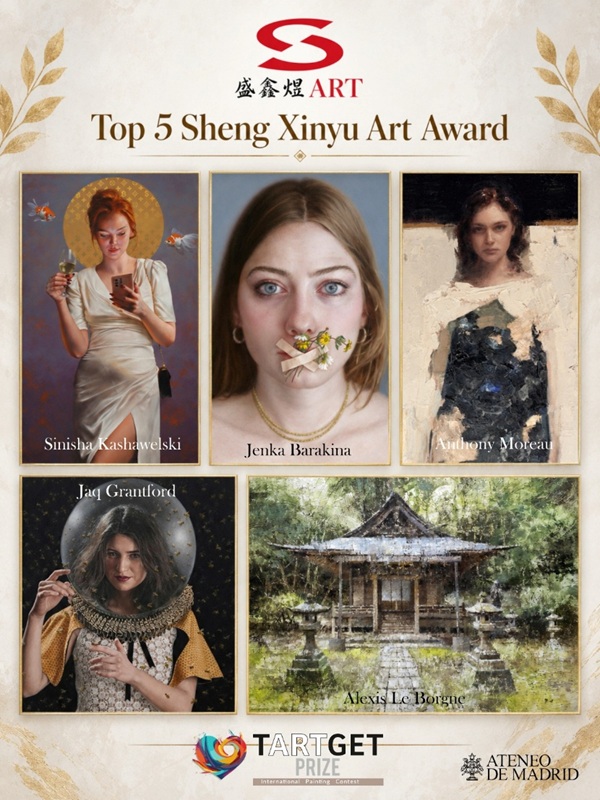
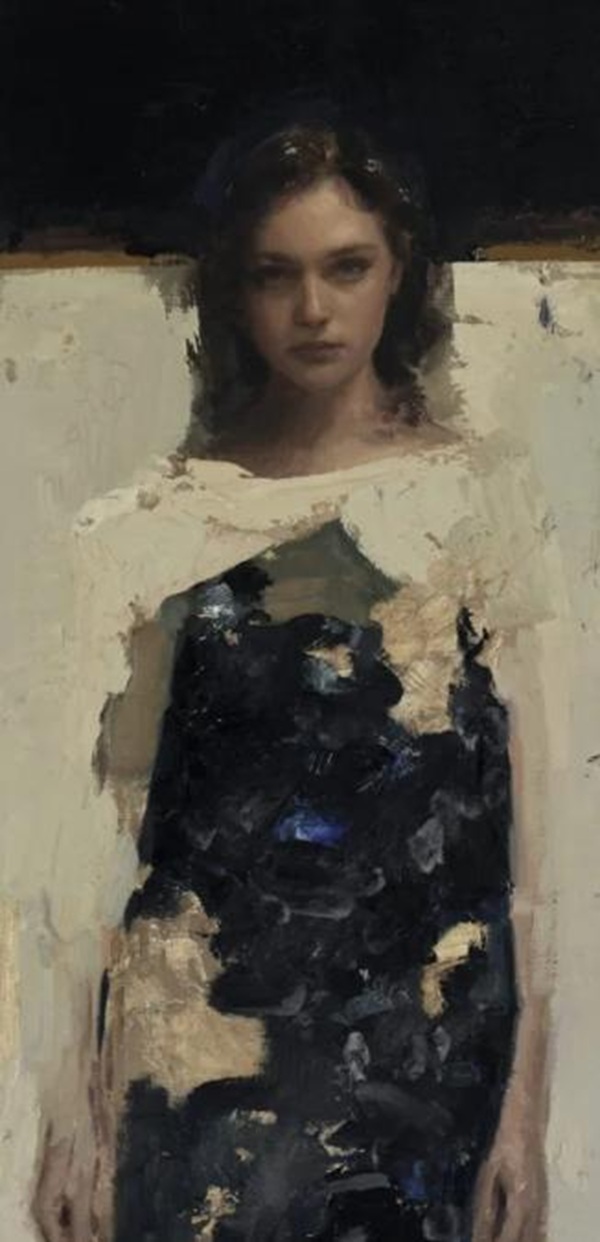
获奖作品
访谈提纲
一、创作路径:成长经历与绘画底层逻辑
1. 作为自学成才的艺术家,脱离学院派标准化的训练体系,这套不受范式约束的创作经历,如何塑造了你独有的直觉绘画思维?对比科班体系下的创作者,这种直觉带给你的核心优势与独特性是什么?
当一个人在某个框架内学习时,他通过受益于老师们传授的自身经验而获得了学习时间。与之对应的是,要走出这个框架、摆脱那些并非自己亲身经历的经验,可能更为困难。话虽如此,将我的方法与那些来自更学院背景的艺术家的方法相比较,在我看来并无太大意义。每个人在一生中都受到特定决定因素的影响。无论是正面、负面甚至建设性地批评源于不同路径的方法,最终都等同于将我自己的情感理性化。
2. 你长期深耕素描叙事绘画,直到 2024 年才全面转向油画。这种长期的视觉积淀,为你 “客观造型 + 主观即兴” 的创作模式打下了哪些根基?
我认为自己天生就能较好地兼顾两件事:叙事性绘画与观察性绘画。前者,是因为我有一种“与之融为一体”(字面意思是成为整体的一部分)的天赋,一种作为传导媒介、让自己被各种感觉穿透的轻松自如。这仅仅是采取这种感知角度,以便为他人提供一条传导的路径。我认为,这才是真正吸引观者的地方:通过我为他们提供的路径去感知能量。后者,则是因为我天生具有昆虫学家式的倾向:把某物钉在纸上,用手术刀细致解剖……炭笔非常适合不过分勾勒或固化事物。它让人得以保持艺术的模糊感,并保留运动。石墨则是一把手术刀。
、二、创作内核:客观再现与精神真实的思辨
3. 你的创作扎根法国美好时代至现代主义的绘画脉络,但并不复刻大师风格,而是萃取传统内核。你是如何处理传统传承与当代创新二者之间的关系?
人是一种金属材料,在过去这把铁砧上,被时代的锤子敲打锻造而成。我意识到这一点,也不试图逃避它。
4. 你把 “强化人物在画布上的精神存在感” 视作创作核心,结合作品谈一谈,你理解的这种精神在场感究竟是什么?它和传统肖像追求形体逼真、视觉写实,本质差别在哪里?
从技术上讲,我可以进一步推进写实,但这总是以牺牲振动为代价。石头打磨得越光,就越显得不自然。完美对我来说也往往索然无味,大概是因为我没有能力让它变得有趣。更广泛地说,我认为在我们这个时代,艺术是为了表达人类品质中的完美与不完美,而我画中的自发性正是拥抱了那些不完美。以你选中的《Yuna》为例:抽象的自发性赋予人物灵魂的深度。它将她置于一种以太之中,赋予她一种无意识,这与“经典”肖像形成对比。这不是为了制作某种不朽之物来提醒你想起所爱之人,而是为了表达瞬间的存在。
5. 你的作品兼顾严谨写实的造型基础,又主动接纳画面偶然生成的即兴肌理。在可控塑造和不可控的即兴效果之间,你是如何把握平衡?
这对我来说几乎是陌生的。出于这样或那样的原因,有些日子它奏效,有些日子则不然。最细微的一笔都可能让一幅画失去平衡,或赋予它气息。这是走钢丝。我曾因缺乏勇气而毁掉过几件作品——过于想要塑造它们,以便在世界上被更好地接受和解读——而在某些阶段,那些作品在我看来是无价的。如今,我试着加深这条犁沟。每一件离开我工作室的作品,都是完美的不完美。
三、美学语言:色调、黑色与虚实的精神隐喻
6. 你的作品以低饱和色调、定向克制的光影为标识,刻意舍弃艳丽色彩与戏剧化炫光。这套内敛的色彩光影语言,是服务于人物的精神表达,还是对当下时代视觉环境与现代人情绪状态的回应?
你的问题非常切中要害,你很会做访谈!你为我那些纯粹出于本能的做法找到了恰当的词语。正如我之前解释过的,作为一段历史、一段过去和一个时代的产物,我的绘画只是那种状态的表达。我喜欢这句话,它并不完全正确,却说出了一个真理:“直觉是加速的智能。”分析性的头脑让我们能够剖析显而易见的事物,而我的工作则在于简化它们。事物就在那里,你看各就其位。一切都被权衡和考虑过:最细微的线条,最细微的颜色;多出的一笔会要求我把它抹去;一幅不奏效的图像会自行告诉我。话虽如此,我的品味可能并不好。
7. 黑色在你的画面里不只是阴影,兼具塑形、氛围烘托与精神隐喻多重作用。如何定义属于你的 “黑色美学”?在黑白灰的视觉体系中,你希望借黑色承载怎样的情绪与哲思?
黑色在一些画家中是被禁止的颜色,我猜想是因为它极具中和作用。但既然我没有那种学院派的包袱,我就不会在那个框架内思考。更广泛地说,在绘画中,没有阴影的伴随就无法表现光。我认为这是存在的一条基本原则,甚至可能是对许多人提出的存在之问的一种回答:为什么会有恶?绘画是一种在许多方面反映存在现实的媒介,而黑色正是我们现实的一部分。
8. 画面常出现面部精细刻画,躯体与背景松弛写意的虚实对比,完整严谨的造型和粗粝原始的笔触痕迹共存。这种精致与粗粝并存的张力,是否暗喻人的外在身份与内在自我之间的割裂与共生?
我最感兴趣的是内在生命。社会生活的种种困扰只是这一生命的外围。自身性(Ipséité)使我无法像你一样体验世界,也无法确定自己对颜色的感知与你相同。我相信,我在绘画中所寻求的平衡之所以能与你对话,正是因为它模棱两可。
四、 肖像表达:面向当代人的精神书写
9、你作品中人物大多沉静、内省、带着疏离感,拒绝夸张戏剧化的情绪宣泄。这种统一的精神气质,是否是你对当代人孤独、向内自省生存处境的艺术提炼?
是的,完全如此。同时也是在与周围的马戏表演相对立。
10你的作品不提供唯一解读,将阐释权交给观者。为什么当代肖像应当拒绝单向度的情绪灌输?观众的解读,对于作品完整价值而言意味着什么?
我并不是说当代肖像画应该拒绝强加一维的情感解读。总会有画家这样做,我也为此感到高兴。我只是不去勉强自己挤进一个不适合我的框架。我的绘画是为了与个体对话,而不是与大众对话。我们衡量事物的价值,只以自己心智的尺度为准。观者从不赞美或嘲笑我的作品:他们赞美和嘲笑的是自己的心智。
五、 行业反思:当代肖像的时代命题
11、古典肖像承担纪实、美化、叙事的功能,而你的创作转向人的精神挖掘。在你看来,当代肖像画的核心使命发生了怎样的迭代?面对AI绘画、流水线写实的冲击,手工肖像无可替代的当代价值是什么?
这些问题太好了,我只是把观点再深化一层。在我看来,画家首先是出于内在的必要性而作画。然后他们会为这种必要性找到各种方式、机会、执行框架和借口。绘画的必要性似乎是自然的演变。除非我理解有误,今天的人工智能生成的是统计上的预期。它给出的结果是可预期的,即便是对最具创造性的模型来说也是如此。我毫不怀疑,那些已经几乎变成机器的人会在其中找到万灵药。而对于那些仍保持完整人性的人来说,理解驱动人类心智运转的能量,并与另一个人类心智建立连接,将永远是一种奢侈。
12想要让传统具象肖像适配当代语境、跳出同质化困局,结合自己的创作实践,你认为最关键的突破点在哪里?
我认为人工智能与机器人技术将引发一场新的历史革命,其影响将超过工业革命。对艺术的兴趣应当变得更加民主,品味应当变得更加敏锐,实践应当更加多样化。在全球化的世界中固然存在同质化,但同时也涌现出许多小众领域,任何人都可以在那里学习绘画,例如跳出条条框框。而学习绘画,正是学会欣赏绘画的最佳方式。
13、未来的创作中,您的创作在语言表达、题材维度、哲学思考上,是否有新的探索方向?站在当代欧洲具象艺术家的视角,您如何看待当代肖像艺术的未来发展趋势?
当然,我个人会随着时间而演变,我的作品也会随之演变。我的每一幅画都是独特的,对应着一个瞬间。我并不是在打造一个品牌!我相信,肖像画与具象艺术在过去几十年里可能被历史性地轻视了,这是错误的,而现在一股新风正在艺术的地下世界吹起。我听到的言论、看到的事物都让我相信,具象绘画远未消亡。
Interview
I. Creative Path: Growth Experience and the Underlying Logic of Painting
1. As a self-taught artist who stepped outside the standardized training system of the academy, how has this unconstrained creative journey shaped your unique intuitive approach to
painting? Compared with artists trained in formal academic systems, what core advantages and distinctive qualities does this intuition bring you?
When one learns within a framework, one gains learning time by benefiting from the experience of teachers who transmit what they themselves have acquired. The counterpart is that it is probably more difficult to step outside that framework and free oneself from experiences that are not one’s own.
That said, comparing my approach with that of artists from more academic backgrounds does not seem to me to make much sense. Each person is subject to particular determinants throughout their life. To criticize, whether positively, negatively, or even constructively, approaches arising from different paths would ultimately amount to rationalizing my own affects.
2. You long devoted yourself to narrative drawing in charcoal/graphite before fully turning to oil painting in 2024. What foundations did this extended visual accumulation lay for your
creative mode of “objective form + subjective improvisation”?
I believe I naturally manage two things fairly well: narrative drawing and observational drawing.
The first, because I have an aptitude for “faire corps” (literally, to become part of a whole), a kind of ease in being a conduit and allowing myself to be traversed by sensations. It is simply a matter of
assuming this angle of perception in order to offer others a circuit of conduction. That, I believe, is what truly interests the viewer: perceiving the energy through a path that I offer them.
The second, because I have the natural inclination of an entomologist: pinning something to paper, meticulously dissecting it with a scalpel … Charcoal is perfect for not delineating or freezing things too much. It allows one to remain in an artistic blur and to preserve movement. Graphite is a scalpel.
II. Creative Core: The Dialectic Between Objective Representation and Spiritual Truth
3. Your practice is rooted in the lineage of French Belle Époque to modernist painting, yet you do not replicate the styles of the masters; instead, you extract the essence of tradition. How do you negotiate the relationship between the inheritance of tradition and contemporary
innovation?
The human being is a metallic material forged on the anvil that is their past, under the blows of the hammer that is their era. I am conscious of this, and I do not try to escape it.
4. You regard “intensifying the spiritual presence of the figure on the canvas” as the core of your work. Drawing on specific pieces, could you elaborate on what this sense of spiritual presence means to you? In what essential ways does it differ from the traditional portrait’s pursuit of physical verisimilitude and visual realism?
Technically, I can push realism further, but it will always be at the expense of vibration. The more you polish a stone, the less natural it appears. Perfection is also often boring to me, probably because I do not have the ability to make it interesting.
More generally, I think that in our time the arts are made to express human quality in its perfections and imperfections, and that spontaneity in my painting embraces those imperfections.
Let us take “Yuna,” whom you chose, as an example: the spontaneity of abstractions gives the figure a depth of soul. It places her in an ether, gives her an unconscious, in comparison with a “classic” portrait. It is not about making something imperishable to remind you of a loved one, but about expressing existence in an instant.
5. Your works maintain a rigorous foundation of realistic form while deliberately embracing the accidental, improvised textures that arise on the surface. How do you strike a balance
between controllable modeling and uncontrollable improvisational effects?
This is almost foreign to me. For one reason or another, some days it works and other days it does not. The slightest mark can throw a painting off balance or give it breath. It is a tightrope.
I have ruined a few pieces through lack of courage, wanting to shape them too much so that they would be better received and interpreted in the world, when at certain stages those pieces seemed priceless to me.
Today, I try to deepen this furrow. Every piece that leaves my studio is perfectly imperfect.
III. Aesthetic Language: The Spiritual Metaphors of Tone, Black, and the Interplay of Solid and Void
6. Your paintings are marked by low-saturation palettes and restrained, directional light,
deliberately forgoing bright colors and dramatic illumination. Does this understated language of color and light primarily serve the spiritual expression of the figures, or is it also a response to the visual environment of our time and the emotional states of contemporary people?
Your questions are very pertinent, you know how to conduct an interview! You put the right words to what I simply do instinctively. As I explained earlier, being the fruit of a history, a past, and an era, my painting is only the expression of that state.
I like this expression, which is not quite true but says a truth: “Intuition is intelligence speeding.” The analytical mind allows us to dissect obvious things, whereas my work consists in simplifying them.
Things are there, you see, in place. Everything is weighed and considered: the slightest line, the slightest color; one mark too many asks me to erase it; an image that does not work tells me so. That said, my tastes may be bad.
7. In your pictures, black is never merely shadow; it simultaneously shapes form, builds
atmosphere, and carries spiritual metaphor. How would you define your own “aesthetics of black”? Within the visual system of black, white, and gray, what emotions and philosophical reflections do you hope black will bear?
Black is a forbidden color among some painters, because it is very neutralizing, I imagine. But since I do not have that academic baggage, I do not think within that framework.
More generally, in painting, you cannot render light without accompanying it with shadows. I think this is a fundamental principle of existence, and perhaps even an answer to the existential question that many people ask: why evil?
Painting is a medium that reflects the reality of existence in very many respects, and black is part of our reality.
8. Your compositions frequently contrast finely rendered faces with more loosely treated
bodies and backgrounds, allowing complete, rigorous form to coexist with raw, coarse brush traces. Does this tension between refinement and roughness allude to the rupture and
coexistence between a person’s external identity and inner self?
What interests me above all is inner life. The torments of social life are peripheral to this life.
Ipséité prevents me from experiencing the world as you do, nor from being certain that I perceive color as you do. I believe that the balance I seek in my painting can speak to you because it is equivocal.
IV. Portrait Expression: Spiritual Writing for Contemporary People
9. The figures in your work are mostly quiet, introspective, and tinged with detachment; they refuse exaggerated or theatrical emotional display. Is this consistent spiritual temperament an artistic distillation of the loneliness and inward-turning existential condition of contemporary individuals?
Yes, absolutely. Also in opposition to the surrounding circus.
10. Your works offer no single authoritative interpretation, leaving the right of interpretation to the viewer. Why should contemporary portraiture refuse one-dimensional emotional
imposition? What does the viewer’s reading mean for the complete value of a work?
I am not saying that contemporary portraiture should refuse to impose a one-dimensional emotional reading. There will always be painters who do so, and I am glad of it. I simply do not try to contort myself into a framework that is not suited to me.
My painting is made to enter into dialogue with the individual, not with the masses. We measure the value of things only by the measure of our own mind. The viewer never compliments or mocks my work: they compliment and mock their own mind.
V. Industry Reflection: The Contemporary Proposition of Portraiture
11. Classical portraiture once served documentary, idealizing, and narrative functions; your practice has shifted toward excavating the human spirit. In your view, how has the core
mission of contemporary portrait painting evolved? In the face of AI-generated imagery and assembly-line realism, what irreplaceable contemporary value does hand-painted portraiture still possess?
The questions are so good that I merely deepen the point.
In my view, the painter paints above all out of inner necessity. They then find modalities, opportunities, frameworks of execution, and pretexts for that necessity. Painting necessity seems to be the natural evolution.
Unless I misunderstand it, today’s AI generates statistical expectation. What it gives as a result is expected, even for the most creative models.
I have no doubt that people who are already almost machines will find the panacea in it. For those who remain fully human, understanding the energy that sets human minds in motion and connecting with another human mind will always remain a luxury.
12. To make traditional figurative portraiture relevant to the contemporary context and break free from homogenization, what do you consider—drawing on your own practice—the most crucial point of breakthrough?
I think AI and robotics will provoke a new historical revolution, more impactful than the Industrial Revolution.
Interest in the arts should become more democratic, tastes should become sharper, and practices should diversify. There is certainly homogenization in a globalized world, but there is also the advent of multiple niches where anyone can learn to paint, outside the lines, for example. And learning to paint is the best way to learn to appreciate painting.
13. Looking ahead, do you foresee new directions of exploration in your work regarding formal language, subject matter, and philosophical inquiry? From the perspective of a contemporary European figurative artist, how do you view the future development of portrait art?
Of course, I evolve personally with time, and my work will evolve accordingly. Each of my paintings is unique and corresponds to an instant. I am not developing a brand!
I believe that portraiture and figurative art may have been historically disregarded, wrongly, over the past few decades, and that a new wind is blowing through the artistic underworld. I hear discourses and see things that lead me to think that figurative painting is very far from extinct.